North Dallas vs South Dallas: Where to Buy in DFW
When people think about moving to Dallas, most immediately start searching for homes in North Dallas. But cities south of Dallas are becoming a serious alternative for buyers who want more house, larger home sites, growing communities, and a different lifestyle altogether.
I'm talking about two completely different sides of the Dallas-Fort Worth Metroplex. North Dallas typically includes Plano, Allen, Frisco, Celina, Prosper, McKinney, Little Elm, and Carrollton. South Dallas can include Cedar Hill, Duncanville, DeSoto, Waxahachie, Mansfield, Midlothian, Red Oak, and Glen Heights. These two regions offer completely different lifestyles, housing options, commutes, amenities, and home prices.
North Dallas is known for major employment centers, master-planned communities, new construction homes, upscale shopping, and some of the most searched Dallas suburbs. South Dallas offers growing communities, beautiful natural terrain, larger home sites, convenient access to downtown Dallas, and potentially greater purchasing power. But South Dallas is not automatically less expensive, and North Dallas is not automatically better. The right choice depends on your budget, commute, lifestyle, preferred home style, and long-term plans.
I'm Jaran Ramsey with the Moving to Dallas, Texas team. I help families moving to Dallas compare communities throughout the entire Metroplex. Today I'm comparing North Dallas and South Dallas across five important categories: lifestyle, employment, recreation, amenities, and affordability.
Table of Contents
- Lifestyle: North Dallas vs South Dallas
- Employment Centers and Your Commute
- Parks, Lakes, and Outdoor Recreation
- Restaurants, Shopping, and Entertainment
- Home Prices and Affordability
- Plano: Established Communities and Corporate Employers
- Allen: Suburban Lifestyle Close to Everything
- Frisco: Master-Planned Communities and Professional Sports
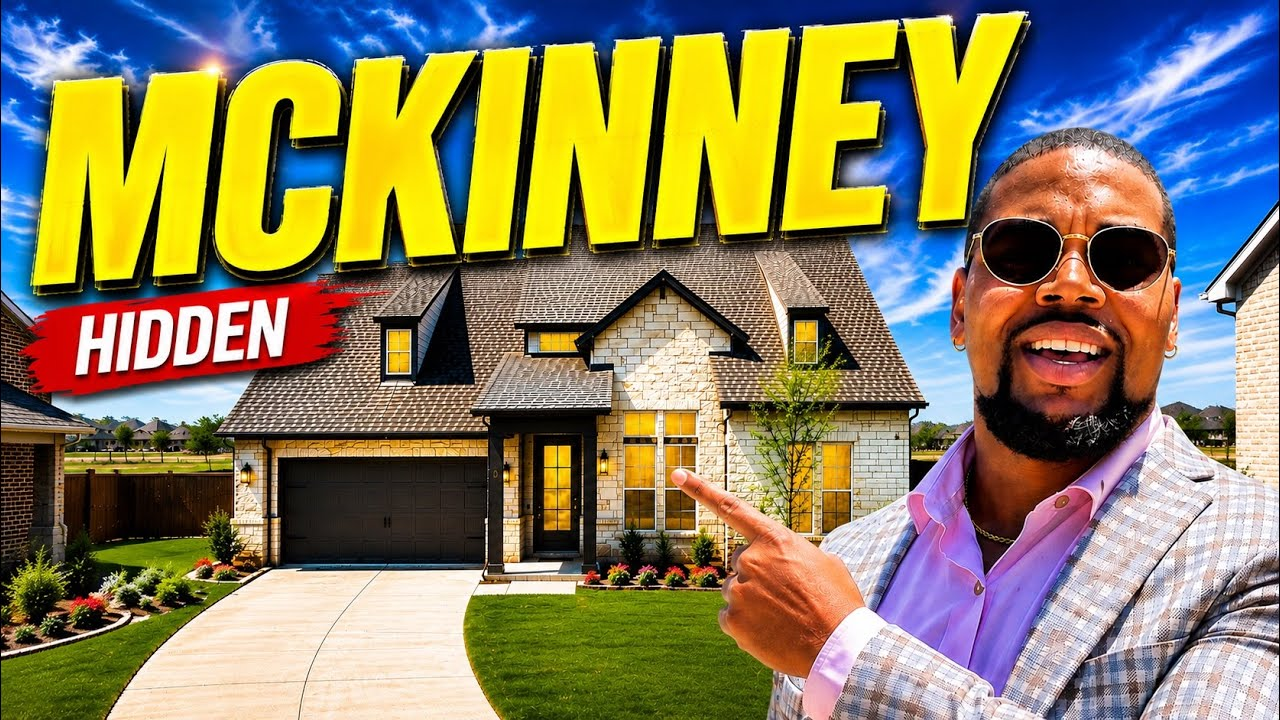
- McKinney: Rapid Growth Meets Historic Character
- Prosper: Luxury Homes and Newer Construction
- Celina: Substantial New Home Development
- Little Elm: Lakeside Lifestyle Near Lake Lewisville
- Carrollton: Centrally Positioned and More Established
- Cedar Hill: Rolling Terrain and Outdoor Recreation
- Duncanville: Established Communities with Convenient Access
- DeSoto: Older Homes and Mature Landscaping
- Glen Heights: Additional Space Within Reach of Dallas
- Red Oak: Combination of Established and New Construction
- Waxahachie: Historic Charm with Major Residential Growth
- Midlothian: One of the Most Talked About Growing Cities
- Mansfield: Between Dallas and Fort Worth
- Which Side of DFW Makes Sense for You?
- Conclusion
Lifestyle: North Dallas vs South Dallas
Drive through the North Dallas suburbs and you will see communities heavily influenced by corporate expansion and rapid population growth. North Dallas feels newer, busier, and more commercially developed. Master-planned communities dominate the landscape. New construction is everywhere. Shopping centers, corporate campuses, and entertainment districts line the major highways.
South Dallas generally feels less concentrated and in certain locations more spacious. You will find rolling terrain, mature trees, natural scenery, and communities with room to develop. The pace feels different. The landscape looks different. The housing options are different.
If you want extensive amenities, master-planned communities, and proximity to northern employment centers, North Dallas may feel right. If you prefer larger lots, natural scenery, established communities, or growing cities with room to develop, South Dallas deserves serious consideration. Neither side is automatically better. The difference is what you need from your daily life.
Employment Centers and Your Commute
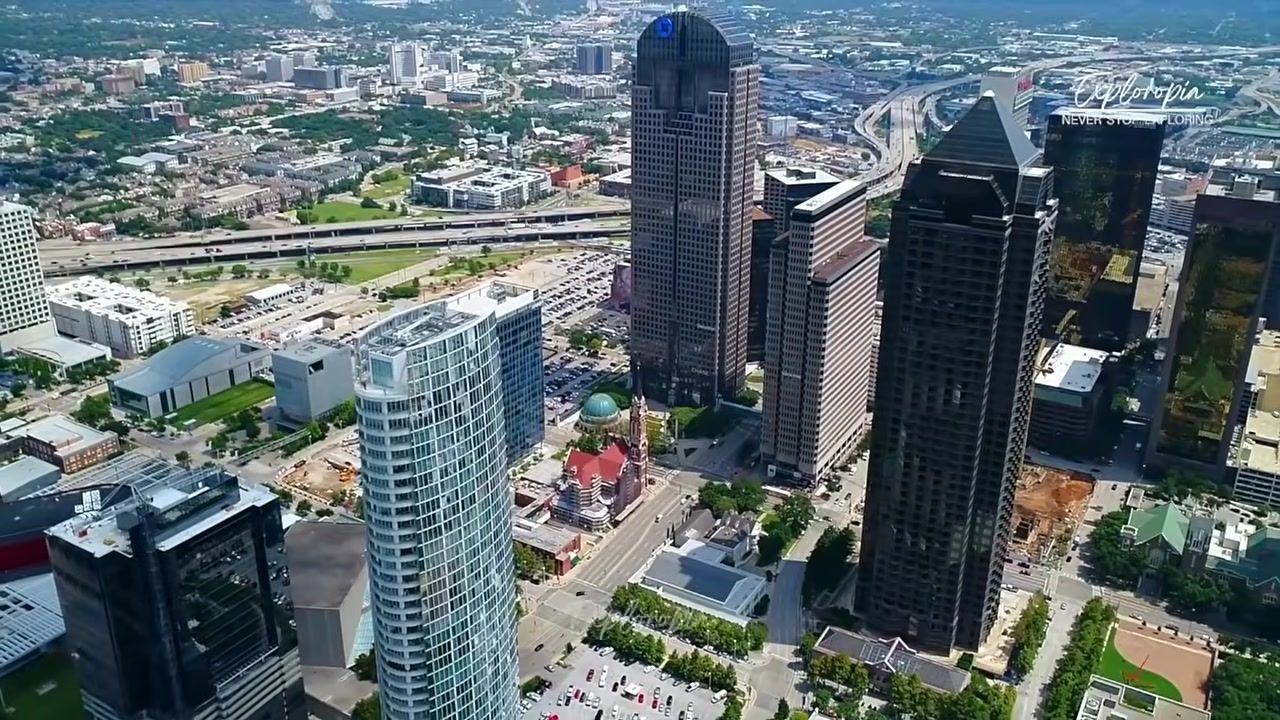
Your job location could ultimately decide which side of DFW makes the most sense. North Dallas contains or sits near some of the Metroplex's largest employment centers. Major employment destinations include Legacy West, the Star in Frisco, Granite Park, Hall Park, and the corporate campuses surrounding the Dallas North Tollway.
Several nationally recognized companies have relocated their headquarters to Dallas-Fort Worth or significantly expanded their presence here. Toyota moved its headquarters to Plano from California. JPMorgan Chase operates a major corporate campus in Plano, while Liberty Mutual, FedEx, Ericsson, and Frito-Lay also maintain a significant presence in North Dallas. AT&T has announced plans to relocate its global headquarters from downtown Dallas to a future campus in Plano, although that transition is not expected to begin until 2028.
This corporate growth helps explain why so many people are moving to Plano, Frisco, McKinney, Allen, Prosper, and surrounding North Dallas communities. If you work in Plano, Frisco, Richardson, Addison, Irving, or near the Dallas North Tollway, living in North Dallas can make your daily commute more manageable.
Cities located south of Dallas also have a diverse and expanding employment base. Mansfield offers access to employers in healthcare, manufacturing, distribution, education, Arlington, and Fort Worth. Midlothian has become a major center for manufacturing, industrial development, logistics, and data center investment. Waxahachie has employers connected to healthcare, education, manufacturing, logistics, and retail, including Baylor Scott & White Medical Center in Waxahachie and other major industrial operations.
Red Oak and Glen Heights are attracting additional warehousing, distribution, residential, and commercial development because of their location along Interstate 35. Cedar Hill, Duncanville, and DeSoto provide relatively convenient access to employers in downtown Dallas, Southern Dallas County, Grand Prairie, and Arlington. South Dallas is connected through Interstate 35, US 67, US 287, State Highway 360, and Interstate 45.
Before buying a home in DFW, test your commute during actual weekday traffic. A route that looks reasonable online can feel completely different during morning and evening rush hour. If your job is located in Plano or Frisco, purchasing a home in Waxahachie solely because the price is lower may not improve your quality of life. Likewise, paying more to live in Prosper may not make sense if you work in Mansfield or Midlothian.
Parks, Lakes, and Outdoor Recreation
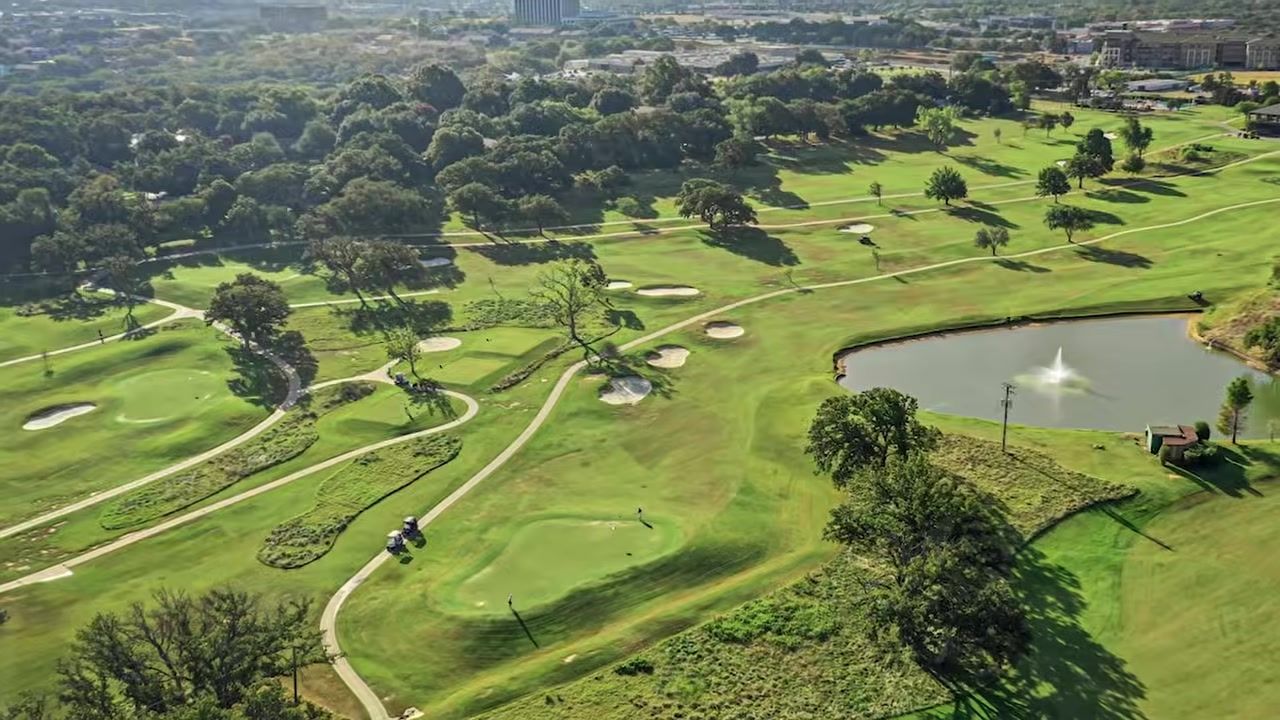
North Dallas offers numerous community parks, walking trails, sports facilities, golf courses, and access to major lakes. Plano provides access to Arbor Hills Nature Preserve and an extensive network of trails. Allen and McKinney offer parks, recreation centers, sports fields, and community trail systems. Little Elm is closely connected to Lake Lewisville, making it attractive to people who enjoy boating, fishing, beaches, and waterfront recreation.
Frisco, Prosper, Celina, and McKinney also contain master-planned communities with resort-style pools, fishing ponds, playgrounds, pickleball courts, fitness centers, and miles of walking trails. These amenities can be extremely attractive, but remember that they may come with homeowner association dues, MUD assessments, or overall higher property tax rates.
South Dallas offers a different outdoor experience. Cedar Hill is one of the geographically distinctive communities in the Dallas-Fort Worth area. It offers rolling hills, mature trees, Joe Pool Lake, Cedar Hill State Park, and access to Cedar Ridge Preserve. Waxahachie and Midlothian may offer larger home sites, acreage properties, and additional outdoor space. Mansfield has an extensive park system, trails, sports facilities, and community recreation. DeSoto, Duncanville, Red Oak, and Glen Heights also provide community parks and recreational amenities while keeping residents close to Dallas.
If you want planned amenities and extensive suburban trail systems, North Dallas provides many options. If you want hills, mature trees, lake access, larger home sites, or a more natural setting, South Dallas may surprise you.
Restaurants, Shopping, and Entertainment
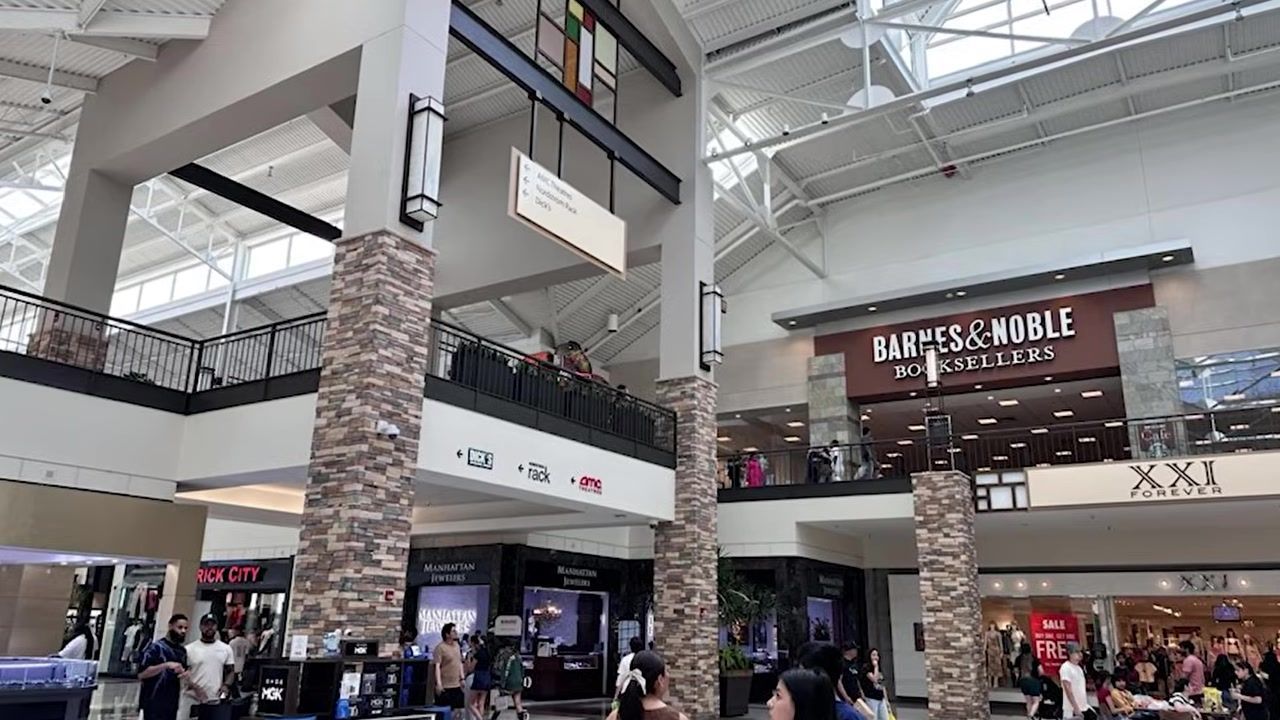
North Dallas currently has the advantage when it comes to the concentration of major shopping, restaurants, sports, and entertainment. Frisco offers the Star, Stonebriar Center, PGA Frisco, restaurants, sporting events, and entertainment throughout the surrounding area. Plano offers Legacy West and the Shops at Legacy, providing restaurants, retail, apartments, offices, and nightlife in one concentrated location.
Allen has Waters Creek and a major retail area along US 75. Historic downtown McKinney provides local restaurants, boutiques, festivals, and community events. Carrollton offers a diverse restaurant scene and convenient access to Addison, Plano, and Dallas. Because North Dallas has experienced years of corporate and residential expansion, restaurants, retailers, and entertainment businesses have followed that growth.
South Dallas offers fewer large-scale entertainment districts, but its amenities continue to expand. Cedar Hill has a major retail area, restaurants, and access to Joe Pool Lake. Mansfield continues to add restaurants, shopping, entertainment, and mixed-use development. Historic downtown Waxahachie offers locally owned restaurants, boutiques, historic architecture, and community events. DeSoto, Duncanville, Midlothian, Red Oak, and Glen Heights continue attracting commercial development as well.
The primary difference is concentration. North Dallas offers a larger section of established shopping, dining, sports, and entertainment destinations, whereas cities in South Dallas offer local character and growing amenities, although you may have to drive further for certain experiences. If you want shopping, restaurants, and entertainment close to home, North Dallas may have the advantage. If you are comfortable moving into an area where development is still arriving, South Dallas could provide opportunities many relocation buyers overlook.
Home Prices and Affordability
This is where many buyers make their final decision. North Dallas generally has a higher price of entry, especially in Frisco, Prosper, and certain parts of Celina, Plano, Allen, and McKinney. Demand, corporate growth, new construction, commercial development, and master-planned communities have contributed to higher home prices throughout much of North Dallas. Buyers should also watch for smaller lots, homeowners association fees, MUD assessments, PID assessments, and property tax rates in newer communities.
Cities that are south of Dallas can provide greater purchasing power, but prices will vary. Duncanville, DeSoto, Glen Heights, and parts of Cedar Hill may offer established homes at prices below comparable properties in certain northern suburbs. Red Oak and Waxahachie offer a combination of established communities and new construction homes. Midlothian and Mansfield can provide larger houses and home sites, but buyers should not assume these communities are inexpensive. Continued demand and development have pushed prices higher in several areas.
A lower home price also does not guarantee a lower monthly payment. Before purchasing a home in North Dallas or cities in South Dallas, compare property tax rates, MUD and PID assessments, homeowner association dues, homeowner's insurance, commute expenses, home condition, new construction incentives, planned developments, school district boundaries, and long-term resale potential.
Plano: Established Communities and Corporate Employers
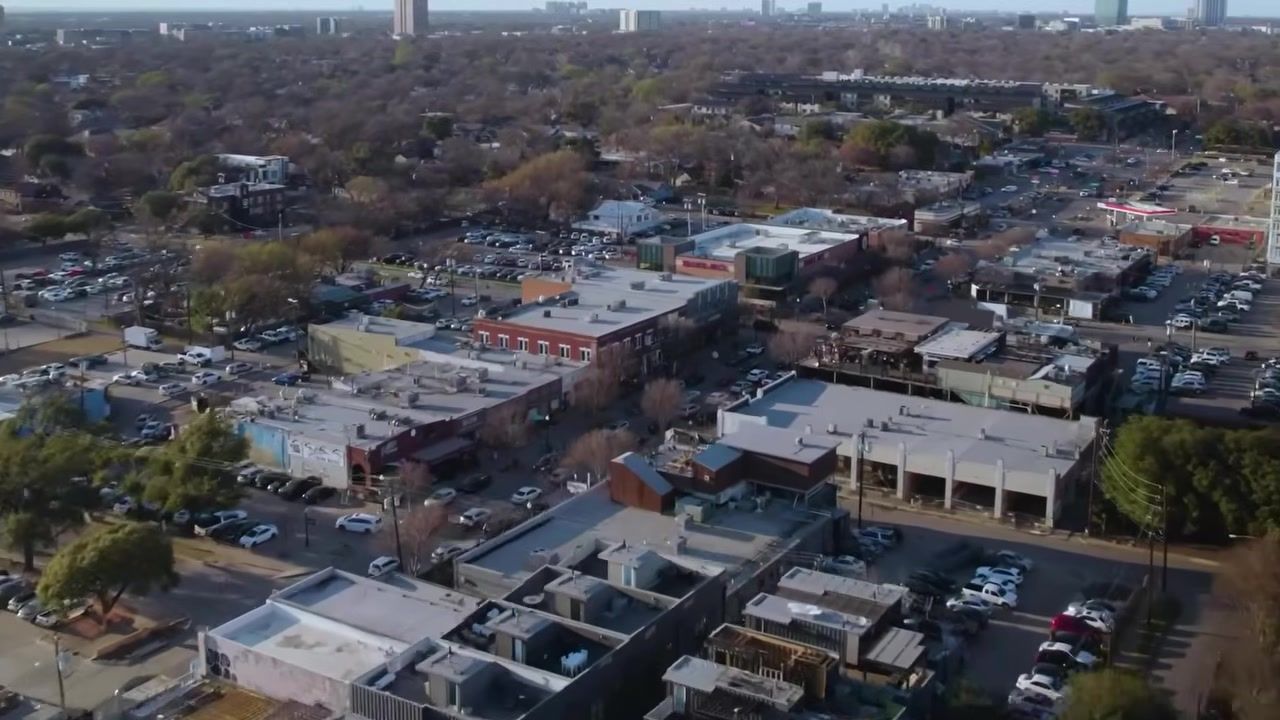
Plano is one of the most established cities in North Dallas. People moving to Plano are often attracted to its mature communities, corporate employers, shopping, restaurants, parks, and convenient access to surrounding cities. Plano is a major employment center with Toyota headquarters, JPMorgan Chase campus, Liberty Mutual, FedEx, Ericsson, and Frito-Lay. AT&T is planning to relocate its global headquarters here by 2028.
Plano provides access to Arbor Hills Nature Preserve and an extensive network of trails. The city offers community parks, recreation centers, Legacy West, and the Shops at Legacy. You can find restaurants, retail, apartments, offices, and nightlife in one concentrated location.
Buyers should understand that Plano generally has a higher price of entry. Watch for smaller lots, HOA fees, MUD assessments, PID assessments, and property tax rates. Plano is one of the most established North Dallas cities, and that maturity comes with a price.
What to Know Before Buying in Plano
If you work in Plano or nearby Richardson, Addison, or along the Dallas North Tollway, living here can make your daily commute more manageable. The city offers convenient access to surrounding cities and major highways. Shopping, restaurants, and entertainment are close to home. Corporate employers are everywhere.
The trade-off is price. Plano is not the most affordable North Dallas suburb. Buyers should compare property tax rates, MUD and PID assessments, homeowner association dues, and home condition before making an offer. A lower home price in another city does not guarantee a lower monthly payment if your commute adds hours to your day.
Allen: Suburban Lifestyle Close to Everything
Allen offers established communities, newer developments, community parks, shopping, and access to US 75. Buyers searching for homes for sale in Allen often want a suburban lifestyle that keeps them close to Plano, McKinney, and Richardson. Allen has Waters Creek retail area, sports fields, and trail systems.
Allen is another North Dallas city with a higher price of entry. The city offers a suburban lifestyle with convenient access to surrounding employment centers. If you work in Plano or McKinney, Allen can keep your commute manageable while providing established communities and newer developments.
Frisco: Master-Planned Communities and Professional Sports
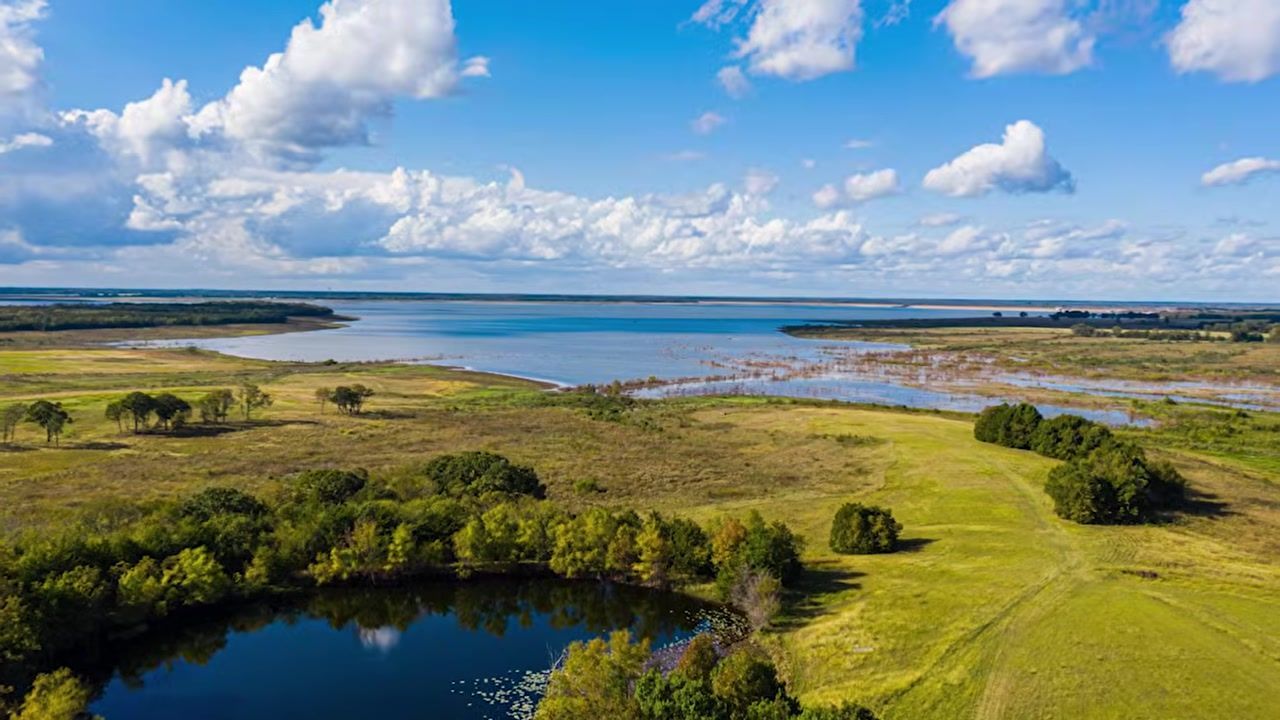
Frisco is known for master-planned communities, professional sports facilities, new construction, entertainment, and continued commercial development. Moving to Frisco can be attractive for buyers who want newer homes and extensive amenities, but demand has also made Frisco one of the more competitive North Dallas real estate markets.
Frisco offers the Star, Stonebriar Center, PGA Frisco, restaurants, sporting events, and entertainment throughout the surrounding area. Master-planned communities contain resort-style pools, fishing ponds, playgrounds, pickleball courts, fitness centers, and miles of walking trails. Frisco is a major employment center with continued commercial development.
Buyers should understand that these amenities may come with HOA dues, MUD assessments, and higher property tax rates. Frisco is one of the more competitive North Dallas real estate markets. Higher demand has contributed to higher home prices. Watch for smaller lots and overall higher property tax rates in newer communities.
Is Frisco Worth the Price?
If you work near the Star, Legacy West, or along the Dallas North Tollway, and you want extensive amenities and have the budget for a more competitive housing market, Frisco may fit you better. The city offers master-planned communities, professional sports facilities, new construction, and entertainment. Shopping, restaurants, and corporate employers are everywhere.
The trade-off is competition. Frisco is one of the more competitive North Dallas real estate markets. Buyers should compare property tax rates, MUD and PID assessments, homeowner association dues, and long-term resale potential before making an offer.
McKinney: Rapid Growth Meets Historic Character
McKinney combines rapid growth with historic character. You can find new construction homes in McKinney, established communities, master-planned developments, and the historic downtown filled with restaurants and locally owned businesses. McKinney offers community parks, trail systems, and sports fields.
Historic downtown McKinney provides local restaurants, boutiques, festivals, and community events. The city offers a combination of new construction and established communities. Master-planned developments contain resort-style pools, fishing ponds, playgrounds, pickleball courts, fitness centers, and miles of walking trails.
McKinney generally has a higher price of entry typical of North Dallas. Buyers should watch for HOA fees, MUD assessments, PID assessments, and property tax rates in newer communities.
Prosper: Luxury Homes and Newer Construction
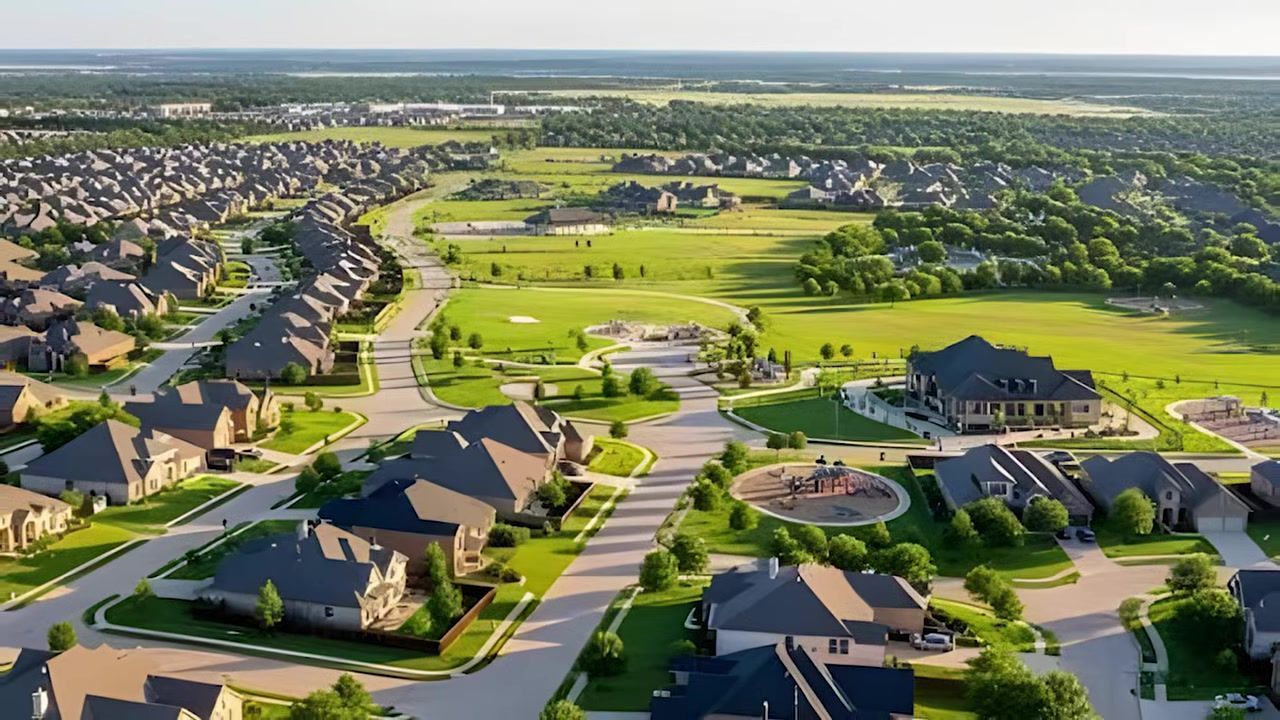
Prosper represents the newer growth side of North Dallas. Buyers moving to Prosper are often searching for luxury homes, larger floor plans, newer construction, and amenity-rich communities. Master-planned communities contain resort-style pools, fishing ponds, playgrounds, pickleball courts, fitness centers, and miles of walking trails.
Prosper offers newer construction and extensive amenities, but buyers should understand that these amenities may come with HOA dues, MUD assessments, and higher property tax rates. Prosper generally has a higher price of entry typical of North Dallas.
The further north you move, the more carefully you should evaluate your commute. Purchasing a new construction home in Prosper may give you more space and newer amenities, but commuting to downtown Dallas every day could require considerably more time. If you work in Plano or Frisco, Prosper can keep your commute manageable. If you work in downtown Dallas, Mansfield, or Midlothian, paying more to live in Prosper may not make sense.
Celina: Substantial New Home Development
Celina offers substantial new home development, expanding commercial areas, and communities that are still being built. Celina represents the newer growth side of North Dallas. Master-planned communities contain resort-style pools, fishing ponds, playgrounds, pickleball courts, fitness centers, and miles of walking trails.
Buyers should understand that continued construction, longer commutes, and changing infrastructure are part of living in a rapidly growing city. Celina is still being built. Purchasing here may give you more space and newer amenities, but commuting to downtown Dallas could require considerably more time.
These amenities may come with HOA dues, MUD assessments, and higher property tax rates. Celina generally has a higher price of entry typical of North Dallas. Before buying in Celina, test your commute during actual weekday traffic. A route that looks reasonable online can feel completely different during morning and evening rush hour.
Little Elm: Lakeside Lifestyle Near Lake Lewisville
Little Elm offers a lakeside lifestyle near Lake Lewisville, along with new construction and convenient access to Frisco and The Colony. Little Elm is closely connected to Lake Lewisville, making it attractive for water recreation enthusiasts. The city offers boating, fishing, beaches, and waterfront recreation.
Little Elm provides convenient access to Frisco and The Colony. If you work in Frisco or along the Dallas North Tollway, Little Elm can keep your commute manageable while providing lake access and new construction.
Carrollton: Centrally Positioned and More Established
Carrollton is more established and centrally positioned, providing access to Dallas, Plano, Addison, and several major highways. Carrollton offers a diverse restaurant scene and convenient access to Addison, Plano, and Dallas.
Carrollton is one of the more established North Dallas cities. The city offers convenient access to surrounding employment centers and major highways. If you work in Dallas, Plano, Addison, or Irving, Carrollton can keep your commute manageable while providing an established community.
Cedar Hill: Rolling Terrain and Outdoor Recreation
Cedar Hill is known for its rolling terrain, mature trees, outdoor recreation, and access to Joe Pool Lake. It offers scenery that feels completely different from the flatter landscapes found throughout much of North Texas. Cedar Hill is one of the geographically distinctive communities in the Dallas-Fort Worth area.
Cedar Hill offers rolling hills, mature trees, Joe Pool Lake, Cedar Hill State Park, and access to Cedar Ridge Preserve. The city has a major retail area and restaurants. Cedar Hill provides relatively convenient access to employers in downtown Dallas, Southern Dallas County, Grand Prairie, and Arlington.
Cedar Hill may offer established homes at prices below comparable properties in certain northern suburbs. Buyers can find older homes, renovated properties, larger floor plans, and communities with mature landscaping. The city offers a different outdoor experience compared to North Dallas.
Why Cedar Hill Stands Out
Cedar Hill offers scenery completely different from flatter North Texas landscapes. The rolling terrain, mature trees, and lake access make it one of the geographically distinctive communities in DFW. If you want hills, mature trees, lake access, or a more natural setting, Cedar Hill may surprise you.
The city provides relatively convenient access to employers in downtown Dallas, Southern Dallas County, Grand Prairie, and Arlington. Cedar Hill may offer established homes at prices below comparable properties in certain northern suburbs, but buyers should compare property tax rates, commute expenses, home condition, and long-term resale potential before making an offer.
Duncanville: Established Communities with Convenient Access
Duncanville provides established communities with convenient access to downtown Dallas. Buyers searching for homes in Duncanville can find older homes, renovated properties, larger floor plans, and communities with mature landscaping. Duncanville offers community parks.
Duncanville may offer established homes at prices below comparable properties in certain northern suburbs. The city provides relatively convenient access to employers in downtown Dallas, Southern Dallas County, Grand Prairie, and Arlington.
DeSoto: Older Homes and Mature Landscaping
DeSoto provides established communities with convenient access to downtown Dallas. Buyers searching for homes in DeSoto can find older homes, renovated properties, larger floor plans, and communities with mature landscaping. DeSoto offers community parks and recreational amenities.
DeSoto may offer established homes at prices below comparable properties in certain northern suburbs. The city provides relatively convenient access to employers in downtown Dallas, Southern Dallas County, Grand Prairie, and Arlington.
Glen Heights: Additional Space Within Reach of Dallas
Glen Heights offers a combination of established homes and new construction communities. The city may appeal to buyers who want additional space while remaining within reach of Dallas. Glen Heights offers community parks.
Glen Heights is attracting warehousing, distribution, residential, and commercial development due to its location along Interstate 35. The city may offer established homes at prices below comparable properties in certain northern suburbs.
Red Oak: Combination of Established and New Construction
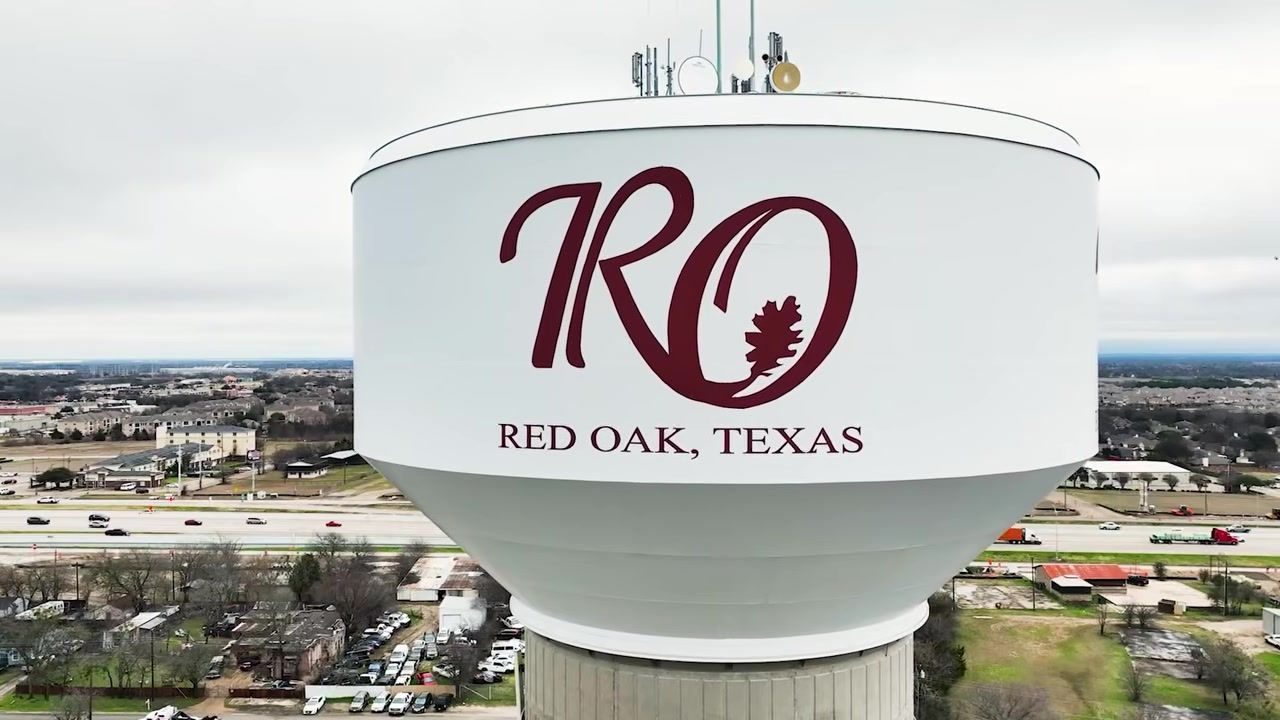
Red Oak offers a combination of established homes and new construction communities. The city may appeal to buyers who want additional space while remaining within reach of Dallas. Red Oak offers community parks.
Red Oak is attracting warehousing, distribution, residential, and commercial development due to its location along Interstate 35. The city offers a combination of established communities and new construction homes.
Waxahachie: Historic Charm with Major Residential Growth
Waxahachie combines historic charm with major residential growth. People moving to Waxahachie can choose from historic homes, established communities, acreage properties, and new construction. Waxahachie has employers connected to healthcare, education, manufacturing, logistics, and retail, including Baylor Scott & White Medical Center.
Historic downtown Waxahachie offers locally owned restaurants, boutiques, historic architecture, and community events. The city offers a combination of established communities and new construction homes. Buyers can find larger home sites and acreage properties.
Buyers should understand that purchasing in Waxahachie solely because the price is lower may not improve quality of life if working in Plano or Frisco. Before buying in Waxahachie, test your commute during actual weekday traffic. A route that looks reasonable online can feel completely different during morning and evening rush hour.
What Waxahachie Offers Relocating Buyers
Waxahachie offers historic charm, major residential growth, and a combination of housing options. The city has employers connected to healthcare, education, manufacturing, logistics, and retail. Historic downtown provides locally owned restaurants, boutiques, historic architecture, and community events.
Waxahachie can provide larger home sites and acreage properties. The city offers a combination of established communities and new construction homes. If you want more house, a larger home site, natural scenery, or an opportunity in a growing community, Waxahachie can make more sense than paying a premium in North Dallas.
Midlothian: One of the Most Talked About Growing Cities
Midlothian has become one of the most talked about growing cities south of Dallas. Buyers are attracted to newer homes, larger lots, expanded amenities, and a suburban atmosphere. Midlothian is a major center for manufacturing, industrial development, logistics, and data center investment.
Midlothian offers community parks. The city can provide larger houses and home sites, but buyers should not assume Midlothian is inexpensive. Continued demand and development have pushed prices higher.
Understanding Midlothian's Growth
Midlothian is one of the most talked about growing cities south of Dallas. The city is a major center for manufacturing, industrial development, logistics, and data center investment. Buyers are attracted to newer homes, larger lots, expanded amenities, and a suburban atmosphere.
Midlothian can provide larger houses and home sites, but buyers should not assume the city is inexpensive. Continued demand and development have pushed prices higher in several areas. Before buying in Midlothian, compare property tax rates, MUD and PID assessments, homeowner association dues, commute expenses, and long-term resale potential.
Mansfield: Between Dallas and Fort Worth
Mansfield sits between Dallas and Fort Worth, making it appealing to people who need access to both sides of the Metroplex. Mansfield offers established communities, new development, parks, restaurants, and growing commercial areas. The city has an extensive park system, trails, sports facilities, and community recreation.
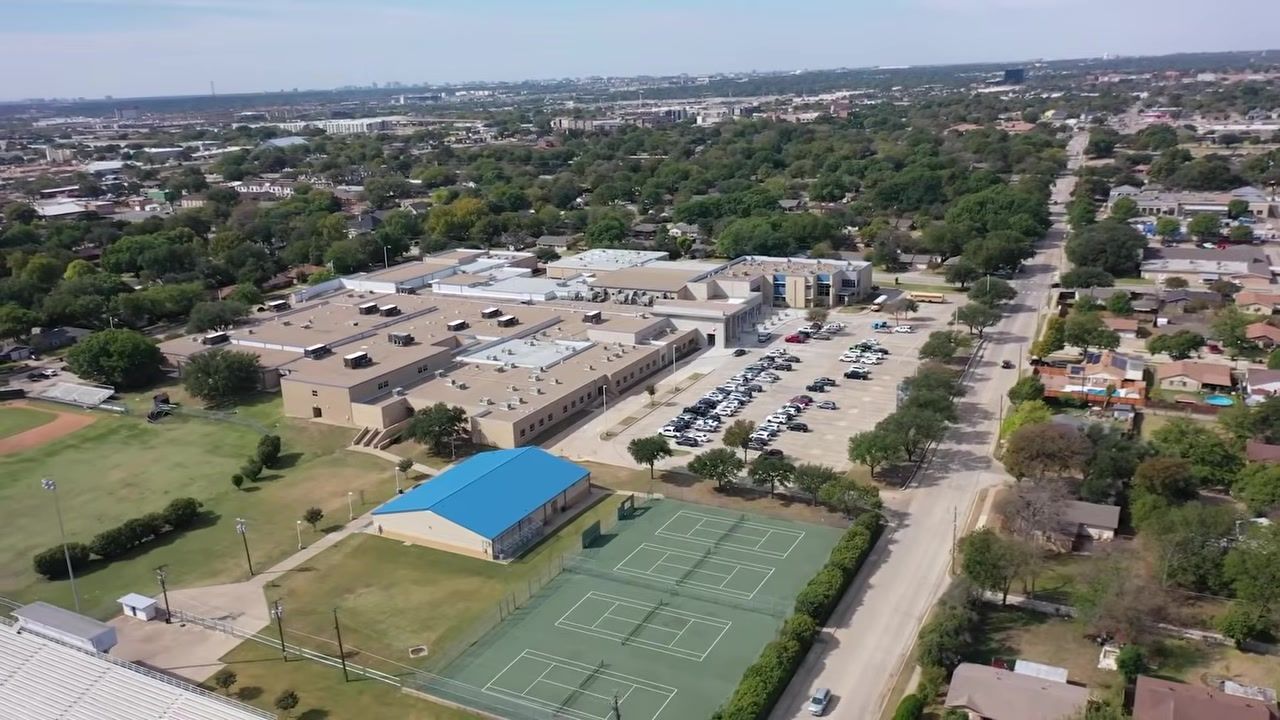
Mansfield offers access to employers in healthcare, manufacturing, distribution, education, Arlington, and Fort Worth. The city can provide larger houses and home sites, but buyers should not assume Mansfield is inexpensive. Continued demand and development have pushed prices higher.
If you work in Mansfield, Arlington, or Fort Worth, paying more to live in Prosper may not make sense. Mansfield sits between Dallas and Fort Worth, making it appealing for access to both sides of the Metroplex.
Which Side of DFW Makes Sense for You?
The goal is not to declare North Dallas or South Dallas the winner. The goal is to find the Dallas suburb that provides the right combination of lifestyle, commute, housing options, and monthly affordability for you. North Dallas and South Dallas are part of the general Dallas-Fort Worth Metroplex, but they provide two completely different approaches to living in North Texas.
If you work near Plano or Frisco and you want extensive amenities and have the budget for a more competitive housing market, North Dallas may fit you better. If you want more house, a larger home site, natural scenery, access to southern employment centers, or an opportunity in a growing community, cities in South Dallas can make more sense.
Choose the wrong area and you could overpay for a lifestyle you don't need or underestimate a commute that affects your everyday life. Your lifestyle, commute, and monthly affordability should determine where you live, not which Dallas suburb receives the most attention online.
Before moving to any of these cities, make sure you understand the complete picture. That includes the home price, monthly payment, property taxes, commute, amenities, future development, and long-term value. Test your commute during actual weekday traffic. Compare property tax rates, MUD and PID assessments, homeowner association dues, homeowner's insurance, commute expenses, home condition, new construction incentives, planned developments, school district boundaries, and long-term resale potential.
Conclusion
North Dallas offers major employment centers, master-planned communities, new construction homes, upscale shopping, and some of the most searched Dallas suburbs. South Dallas offers growing communities, beautiful natural terrain, larger home sites, convenient access to downtown Dallas, and potentially greater purchasing power. Neither side is automatically better.
I'm Jaran Ramsey with the Moving to Dallas, Texas team. If you're moving to Dallas and comparing cities across the Metroplex, call, or text, to schedule a consultation with me. I'll help you identify the best Dallas communities for your lifestyle, understand the numbers, and negotiate the best deal possible. Allow me to hustle for you.
FAQ: North Dallas vs South Dallas
Which side of Dallas is more affordable?
Cities south of Dallas can provide greater purchasing power, but prices vary. Duncanville, DeSoto, Glen Heights, and parts of Cedar Hill may offer established homes at prices below comparable properties in certain northern suburbs. Midlothian and Mansfield can provide larger houses and home sites, but continued demand and development have pushed prices higher. A lower home price does not guarantee a lower monthly payment. Compare property tax rates, MUD and PID assessments, HOA dues, insurance, and commute expenses.
Where should I live if I work in Plano or Frisco?
If you work in Plano, Frisco, Richardson, Addison, Irving, or near the Dallas North Tollway, living in North Dallas can make your daily commute more manageable. Plano, Allen, Frisco, McKinney, Prosper, Celina, Little Elm, and Carrollton keep you close to northern employment centers. Purchasing a home in Waxahachie solely because the price is lower may not improve your quality of life if you work in Plano or Frisco.
What are MUD and PID assessments?
MUD (Municipal Utility District) and PID (Public Improvement District) assessments are additional taxes that fund infrastructure in newer communities. These assessments can add hundreds of dollars to your monthly payment. Master-planned communities in Frisco, Prosper, Celina, and McKinney may come with HOA dues, MUD assessments, or overall higher property tax rates. Compare these costs before making an offer.
Does South Dallas have good outdoor recreation?
South Dallas offers a different outdoor experience compared to North Dallas. Cedar Hill offers rolling hills, mature trees, Joe Pool Lake, Cedar Hill State Park, and Cedar Ridge Preserve. Waxahachie and Midlothian may offer larger home sites and acreage properties. Mansfield has an extensive park system, trails, sports facilities, and community recreation. If you want hills, mature trees, lake access, larger home sites, or a more natural setting, South Dallas may surprise you.
How do I choose between North Dallas and South Dallas?
Your job location, budget, lifestyle, and long-term plans should determine where you live. Test your commute during actual weekday traffic before buying. Compare property tax rates, MUD and PID assessments, HOA dues, insurance, commute expenses, home condition, and long-term resale potential. Choose the wrong area and you could overpay for a lifestyle you don't need or underestimate a commute that affects your everyday life.
What employment centers are in South Dallas?
Mansfield offers access to employers in healthcare, manufacturing, distribution, education, Arlington, and Fort Worth. Midlothian is a major center for manufacturing, industrial development, logistics, and data center investment. Waxahachie has employers connected to healthcare, education, manufacturing, logistics, and retail, including Baylor Scott & White Medical Center. Red Oak and Glen Heights are attracting warehousing, distribution, residential, and commercial development along Interstate 35.
MEET JARAN RAMSEY
A dedicated Dallas-Fort Worth real estate agent with eXp Realty, specializing in residential and luxury homes. Jaran helps buyers, sellers, and families relocating to Texas with a relationship-first approach built on trust, communication, and results. Backed by years of real estate experience and recognized as an eXp Realty ICON Agent, he is committed to making every real estate journey smooth, strategic, and successful.
Recent Posts